


Alle producten
-
Bescherming tegen nucleaire straling
-
Kernstralingsdetector
-
De Beveiliging van de koperfolie
-
Rf Beschermde Deuren
-
Rf Beschermde Vensters
-
StralingsbeschermingsFlintglas
-
Niet-magnetische gereedschapsset
-
Rf Beschermde Kamer
-
De Luchtopeningen van de honingraatgolfgeleider
-
Geleidende Zelfklevende Koperband
-
Het Netwerk van de koperdraad
-
X Ray loodglas
-
EMI Shielding Gasket
-
Elektrisch Geleidende Stof
-
Stralingsbeschermingsdeur
-
Stralingsbeschermingsröntgenstraal
-
De Kooi MRI van Faraday
-
Koperpannespons
-
MRI-LEIDENE Verlichting
-
Niet Magnetische Rolstoel
-
Niet Magnetische Brancard
-
 AnaDe opening van de messingshoningraat kijkt zeer Nice
 -
 SatheeshMRI/RF de deuren glanzen met handvatten, danken u Mijn vriend.
Dosiskalibrator met geïntegreerde printer voor dosiseregisters in warmcel

Productdetails
| Detectievenstergebied | 75 cm² | Detectietype | Alpha, Beta, Gamma, Röntgen. |
|---|---|---|---|
| Gegevensopslag | Tot 1000 metingen | Netwerkknooppunten | ≥32 |
| Afmetingen | 350*250*245 mm | Gewicht | 9,8 kg |
Productomschrijving
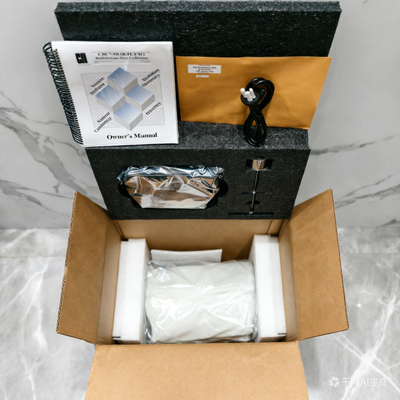
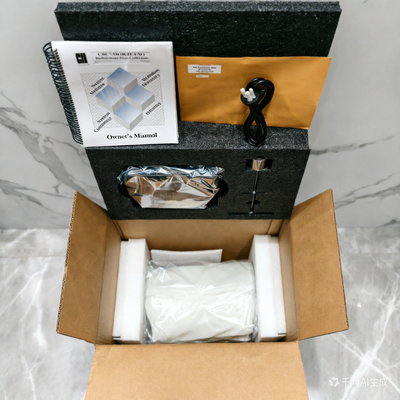
Dosiskalibrator met geïntegreerde printer voor Hot Cell-dosisregistraties
Productintroductie
De dosiskalibrator met geïntegreerde printer pakt de documentatielast bij de dosisvoorbereiding in de nucleaire geneeskunde aan. Voor elke toegediende dosis moeten de afdelingen een registratie bijhouden van de gemeten activiteit, de patiëntidentificatie, het radiofarmaceutische middel, de datum, het tijdstip en de technoloog. Traditioneel opnemen op papier is tijdrovend en foutgevoelig; handmatige transcriptiefouten kunnen leiden tot onjuiste facturering, overtredingen van de regelgeving of problemen met de patiëntveiligheid. Dit instrument beschikt over een ingebouwde thermische printer die bij elke meting een etiket of papieren registratie produceert, waardoor handmatige transcriptie overbodig wordt. De printer is geïntegreerd in de externe weergave-eenheid en is buiten de hot cell geplaatst voor gemakkelijke toegang. De gebruiker kan het afdrukformaat configureren zodat het voldoet aan de vereisten van de afdeling, inclusief streepjescodes voor geautomatiseerde gegevensinvoer.
Toepassingsbereik
De dosiskalibrator met geïntegreerde printer is ontworpen voor elke afdeling nucleaire geneeskunde die behoefte heeft aan efficiënte, foutloze dosisdocumentatie. Primaire toepassingen zijn onder meer het registreren van patiëntspecifieke dosismetingen, het documenteren van generator-eluaatactiviteit voor kwaliteitscontrole, het produceren van records voor wettelijke inspecties, het maken van labels voor dosisflacons of spuiten, het loggen van afvalkarakteriseringsmetingen en het documenteren van lineariteitstests en resultaten van constantheidscontroles. Het instrument is met name waardevol voor afdelingen met grote volumes waar handmatige documentatie een aanzienlijke tijdslast is, en voor afdelingen die te maken hebben gehad met documentatiegerelateerde fouten.
Prestaties en voordelen
De Dose Calibrator met geïntegreerde printer vermindert de documentatietijd met 50-75% vergeleken met handmatige registratie en elimineert transcriptiefouten volledig. Wanneer een meting is voltooid, drukt de gebruiker op de knop "Afdrukken" (of optioneel print het instrument automatisch). De thermische printer produceert een label of papieren record met daarin: gemeten activiteit (mCi of MBq), isotoop, datum, tijd, gebruikers-ID (ingevoerd bij inloggen), monsterbeschrijving (flacon/spuit/capsule/geometrie) en een unieke meet-ID. De gebruiker kan het afdrukformaat configureren via de software van het instrument: de opties omvatten labels van 1" x 2" voor injectiespuitschilden, 2" x 4" labels voor injectieflaconschildjes, of 7,5 cm brede papieren tape voor logboeken. Het afdrukken van streepjescodes wordt ondersteund, waarbij de streepjescode de meet-ID en de gemeten activiteit codeert. De printer maakt gebruik van direct thermisch afdrukken - geen inkt of toner vereist - en het papier is bestand tegen vervaging door licht, hitte en chemicaliën (archiefkwaliteit). Het printerpapier wordt uit een cassette geladen. die een volle rol kan bevatten (ongeveer 500 labels of 15 meter tape), en een waarschuwing dat het papier bijna op is, waarschuwt de gebruiker wanneer vervanging nodig is. Het printermechanisme is verzegeld tegen verontreiniging en kan worden ontsmet door het af te vegen. Het instrument integreert de printer met het datalogsysteem. Elk afgedrukt record wordt ook opgeslagen in de interne database, dus als een label kwijtraakt of beschadigd raakt, kan het record opnieuw worden afgedrukt vanuit het geheugen meet-ID, datum, isotoop of gebruikers-ID om specifieke records op te halen en opnieuw af te drukken. Voor afdelingen die laboratoriuminformatiesystemen (LIS) gebruiken, kan het instrument worden geconfigureerd om labels met streepjescodes af te drukken die het LIS kan scannen voor automatische gegevensinvoer. Als alternatief kan de USB-poort meetgegevens rechtstreeks naar het LIS exporteren, waarbij de printer alleen wordt gebruikt voor back-updocumentatie. Deze rapporten kunnen rechtstreeks in het QC-logboek worden opgeslagen, waardoor handmatige transcriptie van QC-resultaten wordt geëlimineerd. Voor afdelingen nucleaire geneeskunde is het belangrijkste voordeel van de geïntegreerde printer het verminderen van documentatiefouten. Handmatige transcriptiefouten (het verkeerd lezen van een display, het omzetten van cijfers, het vergeten om de isotoop vast te leggen) zijn een veelvoorkomende bron van problemen met het registreren van doses drukt het etiket af en bevestigt dit aan het dosisrecord. Voor afdelingen met een hoog volume kan deze tijdsbesparing oplopen tot een uur of meer per week. Voor afdelingen die onderworpen zijn aan wettelijke inspecties, bieden de afgedrukte records duidelijke, leesbare documentatie die gemakkelijk door inspecteurs kan worden beoordeeld. Met de geïntegreerde printer verandert de dosisdocumentatie van een handmatig karwei in een geautomatiseerd, foutloos proces.
Geadviseerde Producten
